

The UK Is Moving to Decouple Electricity Prices From Gas. Here’s What Businesses Need to Know
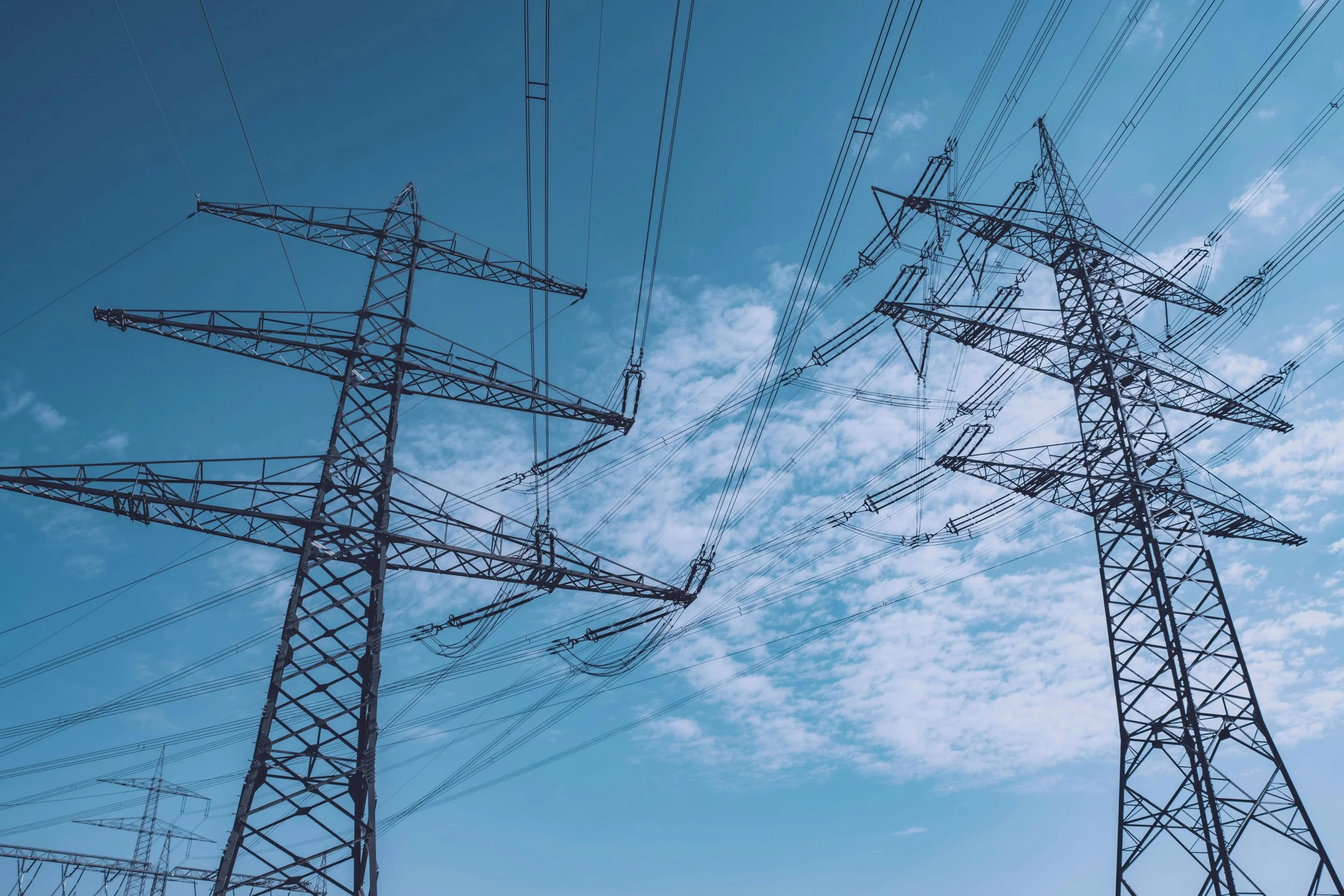
The UK government has announced plans to reduce the influence gas prices have over electricity prices as part of a major reform of the energy market (UK Government). For large energy users, this is a significant development.
Over the past few years, businesses across manufacturing, agriculture, retail and hospitality have all experienced the same issue. Even as the UK generated record amounts of renewable electricity, electricity prices continued rising and falling alongside global gas markets.
For example, in 2024, renewables generated more than half of the UK’s electricity for the first time, with wind power accounting for around 30% of generation (National Energy System Operator). Yet despite that shift, wholesale electricity prices have still been heavily influenced by gas.
That is because the UK electricity market currently operates on a marginal pricing system, where the final generator needed to meet demand sets the wholesale electricity price for the market. In practice, that marginal generator is often gas-fired power because gas remains one of the fastest and most flexible ways to balance out fluctuations in renewable generation and demand (Energy UK).
The result is that businesses can still end up paying for electricity prices shaped by gas markets, even when much of the electricity on the grid is coming from lower-cost local renewable generation, which is much less influenced by global events than gas.
What Is Actually Changing?
The government’s Review of Electricity Market Arrangements, known as REMA, is looking at ways to reduce the extent to which gas prices determine electricity prices (Department for Energy Security and Net Zero).
One of the main proposals is expanding long-term fixed-price contracts for renewable generation, with the aim of moving more renewable electricity away from volatile wholesale pricing and into more stable pricing arrangements (Travers Smith).
The government also explored “zonal pricing”, where electricity prices would vary by region depending on local supply and demand. However, in 2025 it confirmed it would retain a national pricing system and instead pursue reforms through what it calls “Reformed National Pricing” (Reuters).
Importantly, this does not mean gas and electricity prices will suddenly become completely separate. Gas generation will still remain part of the UK energy mix for years because it plays an important role balancing the grid.
What these reforms are really aiming to do is gradually reduce how exposed electricity prices are to short-term gas market shocks.
What This Means for Businesses
For business energy users, the bigger takeaway is that the electricity market is becoming more dynamic and increasingly focused on flexibility.
Even if prices become more stable over time, businesses are likely to see growing use of time-sensitive pricing, demand-side response schemes and incentives tied to when and how energy is consumed.
That makes operational energy management far more important than it used to be.
Historically, many organisations focused mainly on procurement. But businesses are increasingly realising that controlling energy costs also requires detailed visibility into how energy is actually being used across operations.
For factories, farms, hospitality groups and other large-scale commercial energy consumers, granular energy data can quickly reveal inefficiencies such as avoidable demand spikes, unnecessary overnight consumption and equipment operating outside production hours.
As the market evolves, businesses that can identify and respond to these issues in real time will be in a much stronger position than those relying purely on procurement strategies.
Because of this, automation is becoming such an important part of energy management. Businesses are moving beyond static reporting toward systems that can automatically identify abnormal consumption, optimise equipment schedules and respond dynamically to pricing conditions.
The wider decoupling reforms are ultimately about reducing the UK’s exposure to volatile gas markets. But for businesses, they also reflect a broader shift in how energy needs to be managed going forward.
If you are concerned about energy costs in your business, GridDuck can help. To learn more, please contact us at hello@gridduck.com.